
[av_one_full first min_height=” vertical_alignment=” space=” custom_margin=” margin=’0px’ row_boxshadow=” row_boxshadow_color=” row_boxshadow_width=’10’ link=” linktarget=” link_hover=” title_attr=” alt_attr=” padding=’0px’ highlight=” highlight_size=” border=” border_color=” radius=’0px’ column_boxshadow=” column_boxshadow_color=” column_boxshadow_width=’10’ background=’bg_color’ background_color=” background_gradient_color1=” background_gradient_color2=” background_gradient_direction=’vertical’ src=” background_position=’top left’ background_repeat=’no-repeat’ animation=” mobile_breaking=” mobile_display=” av_uid=’av-1qz7v’]
[av_heading heading=’¿Qué es el “Dark Social” y porqué debe preocuparnos?’ tag=’h2′ link_apply=” link=’manually,http://’ link_target=” style=’blockquote modern-quote’ size=” subheading_active=” subheading_size=’15’ margin=” margin_sync=’true’ padding=’10’ color=” custom_font=” av-medium-font-size-title=” av-small-font-size-title=” av-mini-font-size-title=” av-medium-font-size=” av-small-font-size=” av-mini-font-size=” av_uid=’av-k0o6r4kb’ custom_class=” admin_preview_bg=”][/av_heading]
[/av_one_full]
[av_one_full first min_height=” vertical_alignment=” space=” custom_margin=” margin=’0px’ row_boxshadow=” row_boxshadow_color=” row_boxshadow_width=’10’ link=” linktarget=” link_hover=” title_attr=” alt_attr=” padding=’0px’ highlight=” highlight_size=” border=” border_color=” radius=’0px’ column_boxshadow=” column_boxshadow_color=” column_boxshadow_width=’10’ background=’bg_color’ background_color=” background_gradient_color1=” background_gradient_color2=” background_gradient_direction=’vertical’ src=” background_position=’top left’ background_repeat=’no-repeat’ animation=” mobile_breaking=” mobile_display=” av_uid=’av-1qz7v’]
[av_textblock size=” font_color=” color=” av-medium-font-size=” av-small-font-size=” av-mini-font-size=” av_uid=’av-72yhf’ custom_class=” admin_preview_bg=”]
Inspired by an article by Gaurav Sharma www.smartinsights.com
The reader will have heard of, or perhaps even ventured into out of curiosity (I hope), the world that many call the "Dark Web," the underground version of the internet where access is difficult, there's no traceability, and where the worst things on the planet are traded. There is another term here that is sometimes confused with the Dark Web, called the "Deep Web." This refers to pages found on the World Wide Web but not indexed by major search engines, or URLs located on a page but several clicks away from the homepage or from being monitored by any analytics tool.
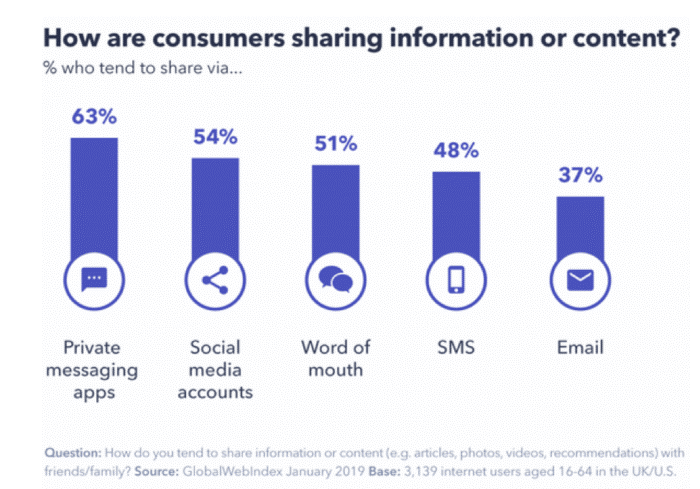
Now that the context is established, I want to talk about a new term that we must take into account from now on. It's about understanding and addressing what's called "Dark Social." It turns out there's a global trend of increasing conversations and interactions about content taking place on platforms that are no longer considered social networks, such as messaging services like WhatsApp, Telegram, or Facebook Messenger. This decrease in engagement on social platforms, which can currently be easily measured, is migrating to dark or deep platforms, such as these messaging services, which are not currently tracked by any analytics platform or service.
A Global Web Index report shows that 63% of content is already consumed on these platforms, versus 54% on social media accounts. This should definitely worry our sector because we could eventually lose visibility of what is happening on these channels.
The major challenge of Dark Social is that unknown individuals or brands are not, and will not be, welcome with their content on these more intimate platforms, as it is considered intrusive. On social media, following unknown brands or individuals is generally accepted because communication always flows through a voluntary channel, like the app of any social network. Here, however, communication and content flow through direct communication channels, which often require sharing our private phone number or email address.
Now, there is a solution to address this challenge in the short term, and it involves applying influencer marketing techniques on these platforms as a way to mitigate this potential impact.
There are three examples that illustrate what can be achieved.
- Adidas created the “Tango Squad,” a group of soccer fans who generate content and share it on their messaging platforms or Dark Social. This even led to a platform where fans can connect and grow their own communities.

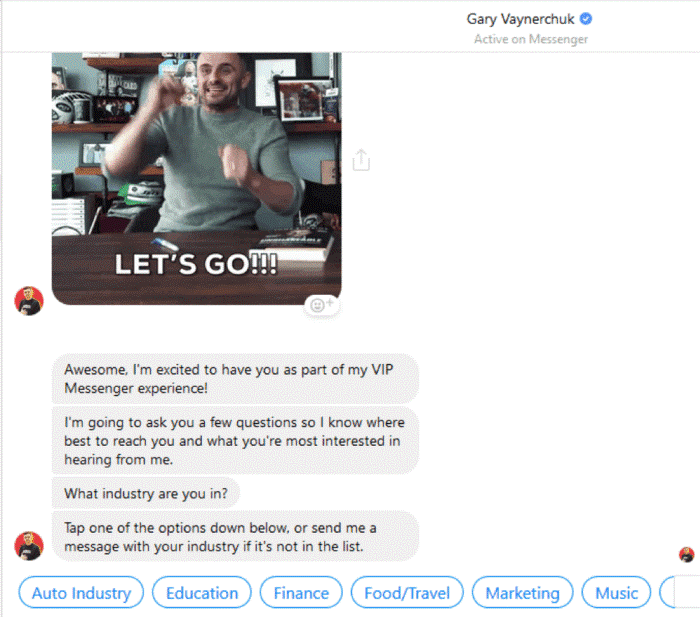
- The second example corresponds to what author and speaker Gary Vayerchuk does through a chatbot on Facebook Messenger, which he uses to deliver his main messages and interact with fans.
- I propose the third example, as a somewhat romantic notion: Unlike WhatsApp, the Telegram platform allows users to connect with a handle, similar to Twitter or Instagram, without needing to make their phone number public. This could potentially allow the experience to reach more people willing to interact on this platform with greater freedom and protection of their personal data.
This is certainly an interesting topic, prompting us to explore creative ways to continue engaging our audience with content that adds value and generates sales or brand awareness.
Source: merca20.com/what-is-dark-social-and-why-should-we-care
[/av_textblock]
[/av_one_full]