

Abraham Geifman, Digital Marketing Consultant This code offers you the most relevant business strategies and elements to apply to the development of an emerging business, allowing you to progressively shape your corporate image and, more importantly, your digital presence on the web and on Google as an efficient seller of products and services.
Digital marketing has become a necessary practice for businesses to raise brand awareness, generate demand, and increase sales. This is thanks to the growing trust in businesses and consumers in these types of media, which initially started somewhat tentatively and fearfully, with the idea that perhaps this was just a passing fad. But in reality, digital marketing is here to stay and is becoming more established than ever.
The Basic Strategy for Getting Started in Digital Marketing
The crucial element of a digital strategy, for example, is having a website. Anything you do in the digital realm, the goal and what you must achieve is for the user, prospect, or visitor to reach a formal digital presence, and the best place for that is a website. There are a few cases where the central element is a mobile application, but in most cases, it's a website, and it's the first starting point.
To have a website, the name of the game is how to generate enough traffic or visits to that website and how to get those visits to generate some kind of action that can benefit you, such as offering your product through that channel until they make a purchase online.
Beyond Facebook
Having a Facebook page isn't enough, nor is it recommended. It's an easy way out, and many people see it as a good option because it's free. They open their fan page on Facebook, and people find it there and get their information. The only problem is that any competitor, or anyone who wants to do us harm, can open a Facebook page and steal our attention.
So, as a digital marketing consultant, I can confirm that there's nothing more innovative in the digital realm than having a website. The equivalent of proof of existence is found on the website. That's why it's advisable for every business to have a website, regardless of what they do or don't do on Facebook.
How to get people to your website?
The next step involves trying to generate this traffic, and there are two ways to do it. They're called outbound marketing strategies. It's about making your product and service known—in other words, shouting to the world that you're there and inviting them to do something on your page (give me your information, buy from me online, etc.). It's based on sending communication from the inside out.
Then there's another approach called inbound marketing, which involves connecting your website with people who might be searching for it, not because of your brand, but because of what you do or what you sell. So, a good digital strategy has to combine both actions: generating demand and proactively creating and maintaining external visibility.
Most of the time, websites tend to be informative, but I think there's a missed opportunity there for many companies that believe their website is like an electronic version of their brochure. In reality, the internet is a sales channel; it's an extension of your business strategy.
Indeed, many strategies are geared towards pages that are purely informational, lacking proactivity, but the idea is for the page to have a sales message that, through calls to action, prompts the audience to take some kind of action.
How to Make a Website Visible?
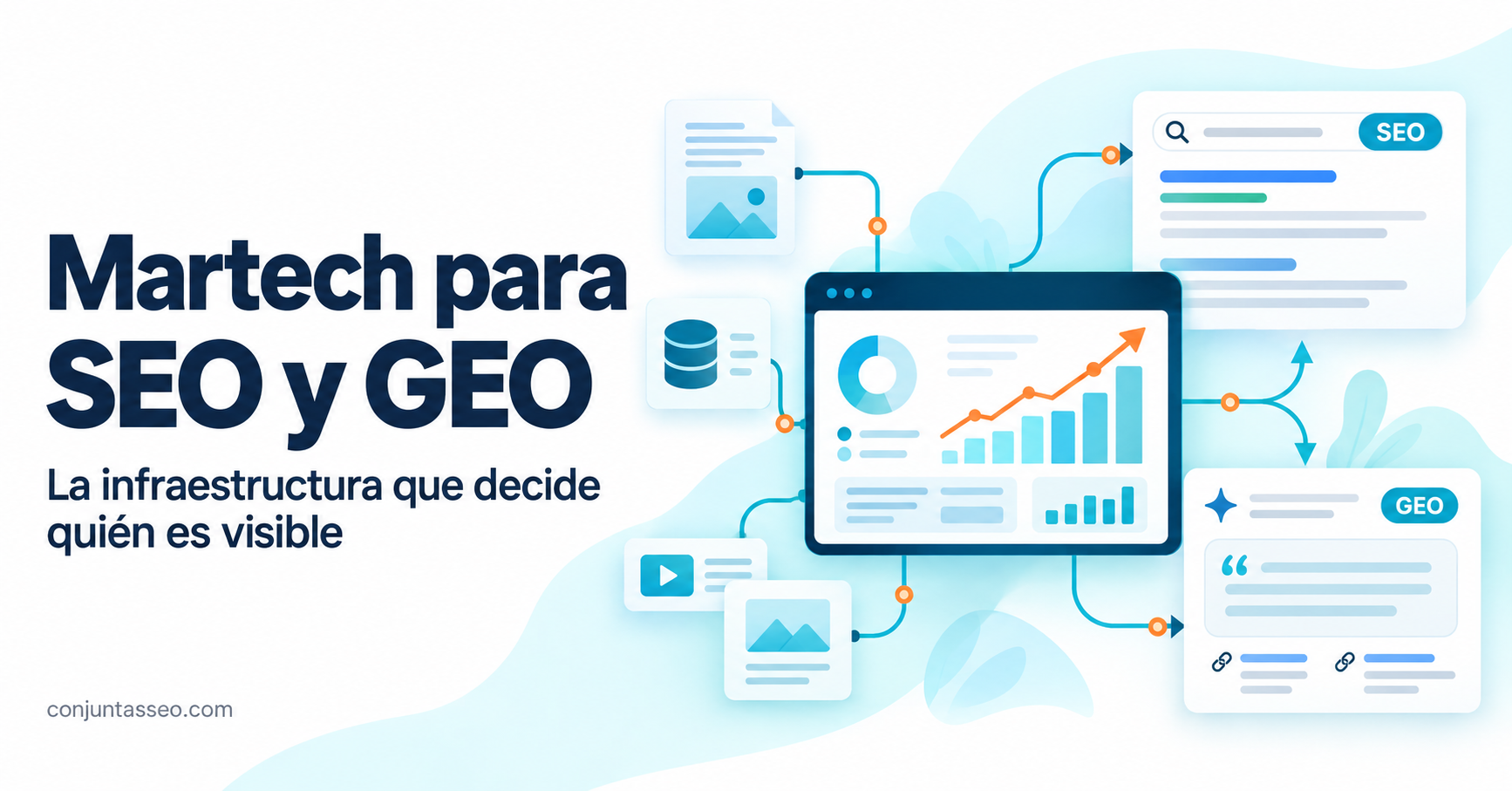
It is highly recommended that your website have all the necessary mechanisms to be visible in search results. This involves a series of activities called SEO, which stands for Search Engine Optimization. It is based on the organic optimization of the website and other techniques to ensure visibility.
Another tactic is to use Google's advertising system to make ourselves visible or to drive traffic to our page through ads. These ads are generated from keywords. For example, if you sell insurance and want people to go to your insurance website (car insurance, health insurance, etc.), the goal is for users to see you and click on your ad.
Your page update
A website is a living document, and we must see it as such. Beyond how often it needs updating, I believe the important thing is to add what is called dynamic content to the website. That is, a blog-style content section. The dynamism of the site helps it rank well in search results. So, it is very important that the site be dynamic, that it be alive. The way to do this is through blogs.
Social Media in Mexico
There are some very interesting data points. There are 69 million social media users in Mexico out of more than 73 million internet users. Of those 69 million, 65 million Mexicans have a Facebook account, which is the network with the highest penetration. The second most important network is Twitter with 27 million users. LinkedIn has 12 million, and new platforms are emerging; there's a very interesting one for young people called TikTok. This one already has 19 million Mexicans inside.
So, these new platforms are emerging. The thing is, Mexicans are very receptive to social media and very generous with it. But there's still a lot to be done in terms of companies making better use of these communication channels with their clients or consumers, and that's where digital marketing has a lot of work to do, starting with creating a smart content strategy that ensures a brand's messages reach the audience persuasively.
Who Should Be in Charge of Content Creation?
This is a task that falls to a digital marketing team; specifically, there's a content creator role. Typically, this person can be a designer or communications specialist, or someone with the skills and abilities to communicate both visually and in writing.
Digital content doesn't have to be a big-budget production, but it does need to meet the minimum requirements of good writing, editorial or journalistic style, as well as engaging visual or video content. It's definitely a specific role.
Many businesses still don't understand who should fill that role and resort to third-party content, leveraging it through roles like community manager, who is responsible for managing communities. Their responsibility isn't content creation, in reality or in theory; their responsibility is building audiences and managing a business's digital communication channels. Although this role has often been misinterpreted, strictly speaking, the content role is very specific to someone with knowledge of certain media.