

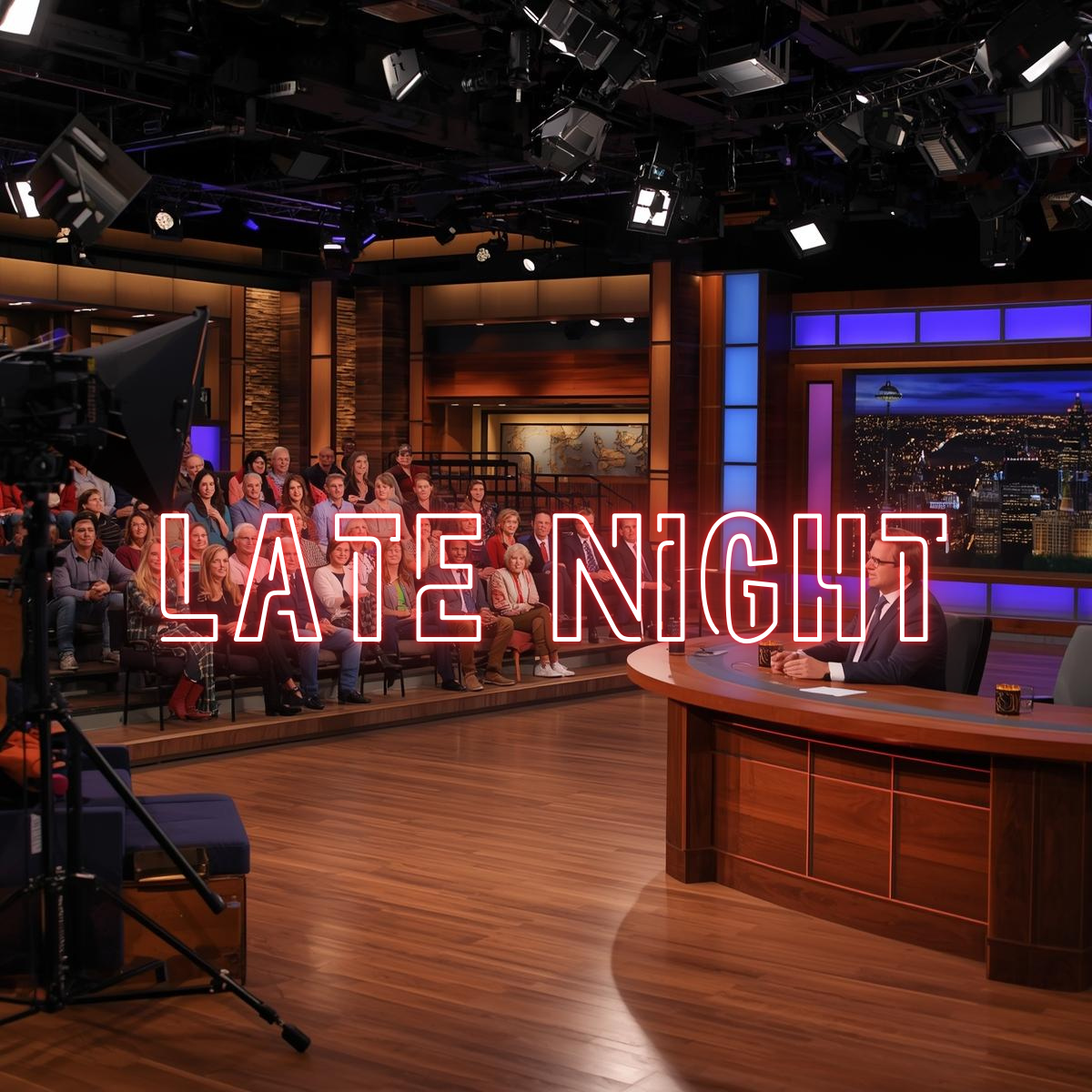
The past week delivered a textbook lesson on the attention economy: trying to silence a creator can turn them into a megaphone. ABC suspended Jimmy Kimmel’s late-night show “indefinitely” following the controversy surrounding his remarks about the killing of conservative activist Charlie Kirk and the resulting public pressure, including pressure from the head of the FCC. It was an unprecedented move that ignited a nationwide debate about freedom of expression and editorial boundaries.
The shift did not take long: Disney announced that the program would return on Tuesday, September 23, only six days after taking it off the air. The company stated that the pause was intended to prevent further tension during a sensitive moment and that it held “substantive” conversations with the host before restoring the broadcast.
Between those two moments, the predictable occurred in 2025: the “boomerang effect” (a cousin of the “Streisand effect”). The suspension turned a controversy into a mass phenomenon, with viral calls to economic boycott against ABC and Disney, including calls to cancel Disney+ and Hulu, avoid visiting the parks, and take other actions. Hashtags also emerged that amplified the issue even further within the mainstream.
The snowball grew when John Oliver urged his audience to cancel Disney+ and Hulu in protest, increasing the reputational cost of the perceived censorship and creating a “defense of freedom of expression” narrative that is difficult to counter in the public arena.
This was compounded by a cultural front: more than 400 Hollywood figures, From Tom Hanks to Meryl Streep, more than 400 Hollywood figures signed an open letter organized by the ACLU in support of Kimmel and against silencing him, reinforcing the perception that the punishment was excessive and politically motivated. In terms of framing, the case stopped being about “what Kimmel said” and became about “what a corporation and the government are doing to a comedian.”
A Mexican Precedent (2002): When a Ban Ignites the Box Office
We had already seen this scenario play out in Mexico. The Crime of Father Amaro (2002) faced attempts to stop its release and intense public pressure. The organization Provida sued Conaculta and IMCINE in an attempt to prevent or reverse its screening, while the Catholic hierarchy described the film as offensive and calls for a boycott multiplied. There was even pressure on the government to ban it, but those efforts failed. The outcome? The controversy sparked public curiosity, and the film became the highest-grossing Mexican movie at that time.
Why Is the “Boomerang Effect” So Powerful?
- Algorithms + moral emotion. Platforms prioritize content that generates high arousal, such as outrage or a sense of injustice. A “punishment” activates those responses and pushes the issue into broader feeds.
- The David versus Goliath effect. When the censor is perceived as more powerful—a corporation or government—the audience shifts its sympathy toward the person being punished.
- Unification of cultural tribes. Perceived censorship brings together groups that rarely agree—creators, labor unions, and audiences with different political perspectives—under the banner of freedom of expression.
- The curiosity curve. “If they suspended him, what did he say?” That question multiplies clips, summaries, and reactions. The return becomes a must-see event, and the opening monologue becomes unmissable.
Actionable Lessons for Brands and Media Organizations
- Do not turn a fire into a trending topic. Before “taking down” content, determine whether doing so will double its reach and increase the reputational cost. Consider actual harm, intent, context, and legal risk.
- Graduated responses, from least to most severe: clarification plus context; an editorial label; the right of reply; a limited and clearly explained suspension; and removal from publication only in extreme cases. Transparency regarding the reason and duration weakens the censorship narrative.
- Credible third-party voices. If sanctions are necessary, support them with an independent assessment—an ombudsperson, editorial committee, or experts—to minimize the perception of political or advertiser pressure.
- Plan for “the day after.” If you restore the content, treat it as a responsible reinstatement: acknowledge the context, demonstrate what you have learned, and prevent its return from adding more fuel to the fire.
- Simulate the boomerang effect. Incorporate a backfire matrix into your playbook: Which hashtags would emerge? What coalitions would form? Would the punishment create more damage than the original offense?
In summary: in the attention economy, censorship is a high-risk tactic. The Kimmel case, like that of The Crime of Father Amaro, remember that turning off the switch rarely ends the conversation; it redistributes it to places you cannot control and causes it to escalate. The real power lies in managing the context, not silencing the content.